
Written By: Senior Travel Advisor, Tina Share
10 Tips and Things I Learned on My Self-drive Vacation Through Spain and Portugal

There's something special about exploring Europe by car. The freedom to travel at your own pace, stop in a little town that catches your eye, linger over lunch, and discover places you might otherwise miss.
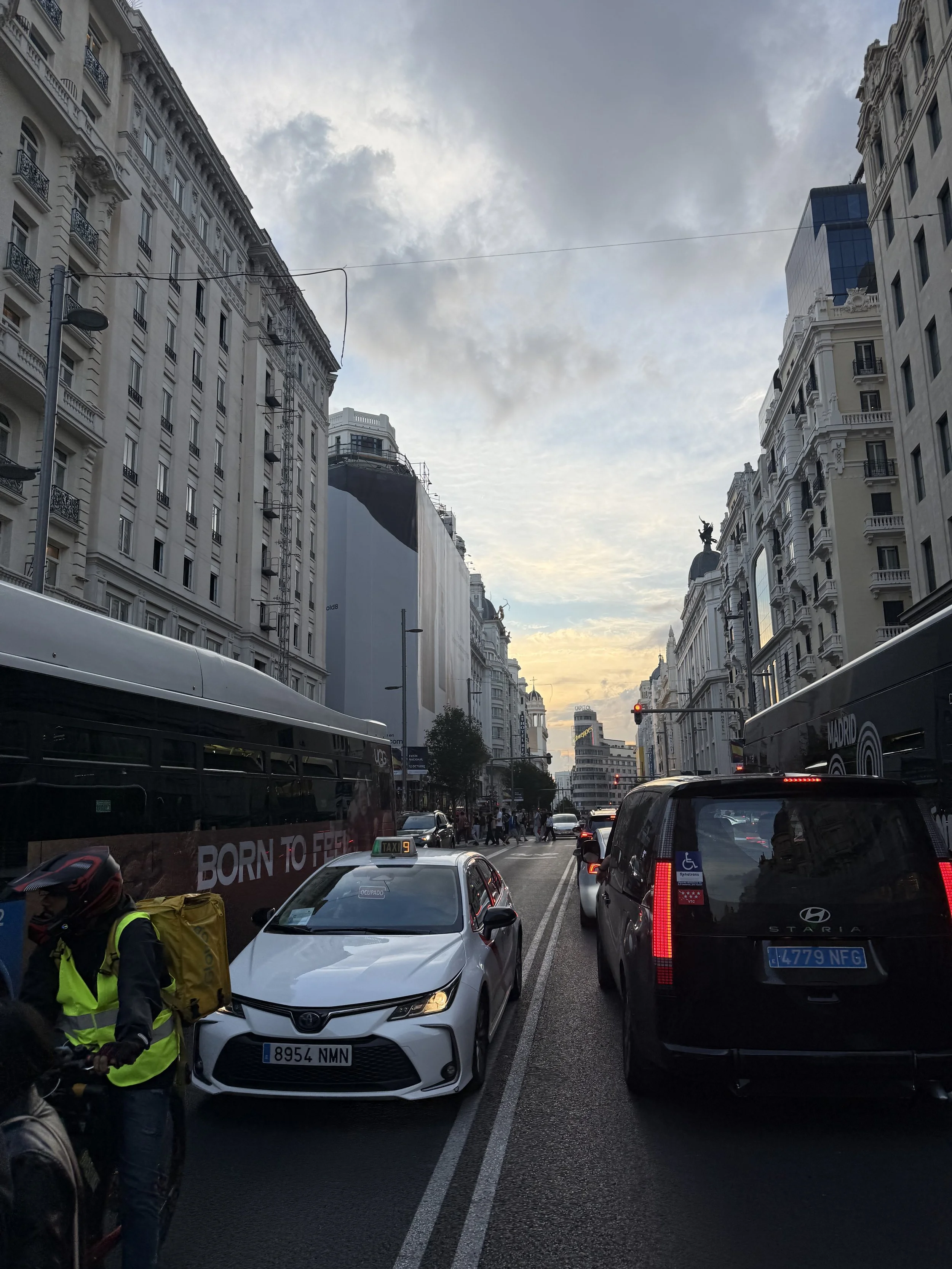
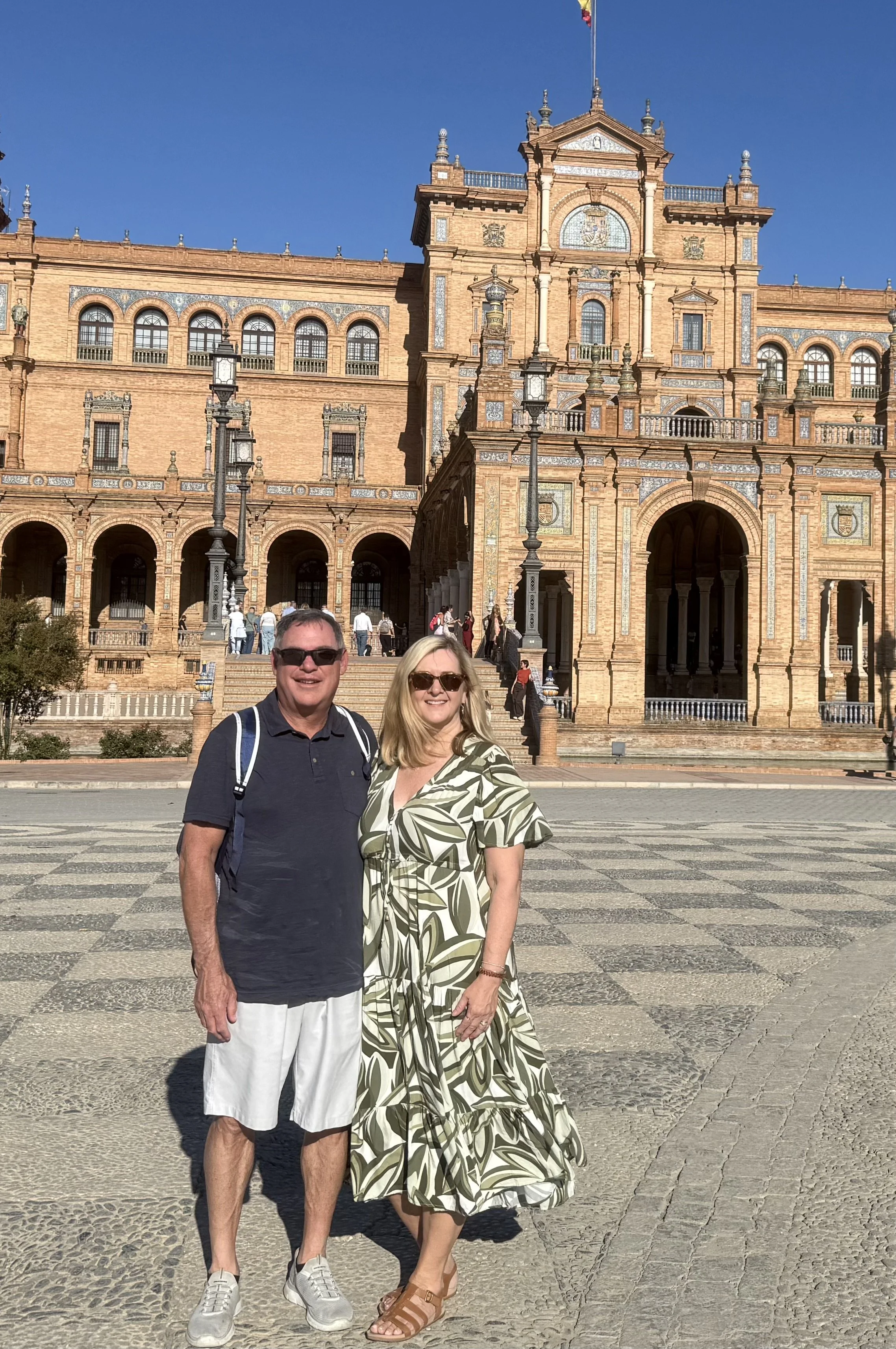
On our recent road trip through Spain and Portugal, we started in Madrid, traveled through Cascais and the Algarve, then headed back into Spain to explore Seville, Granada, and Toledo. Along the way, we experienced beautiful countryside, charming villages, historic cities, and a few driving adventures we won't soon forget.
Would I do it again? Absolutely. But there are definitely a few things I learned along the way that I'd share with anyone considering a European road trip.
1. Get an International Driving Permit Before You Leave
An International Driving Permit (IDP) is one of those things that's easy to overlook when planning a trip. It's essentially a translation of your U.S. driver's license and may be required depending on the countries you're visiting.
Requirements vary, so check the rules for each country on your itinerary. In the U.S., you can obtain an IDP through AAA before departure.
You'll still need to carry your regular driver's license, since the permit doesn't replace it.
It's a simple step that can save you potential headaches along the way.
2. If You Need an Automatic, Reserve an Automatic!
Most Americans are accustomed to driving automatic vehicles, but manual transmissions are still common in European rental fleets.
If you're not comfortable driving a stick shift, make sure you specifically reserve an automatic. Don't assume you'll be able to switch when you arrive.
And book early. Automatic vehicles can be more expensive, and availability may be limited, especially in smaller rental locations.
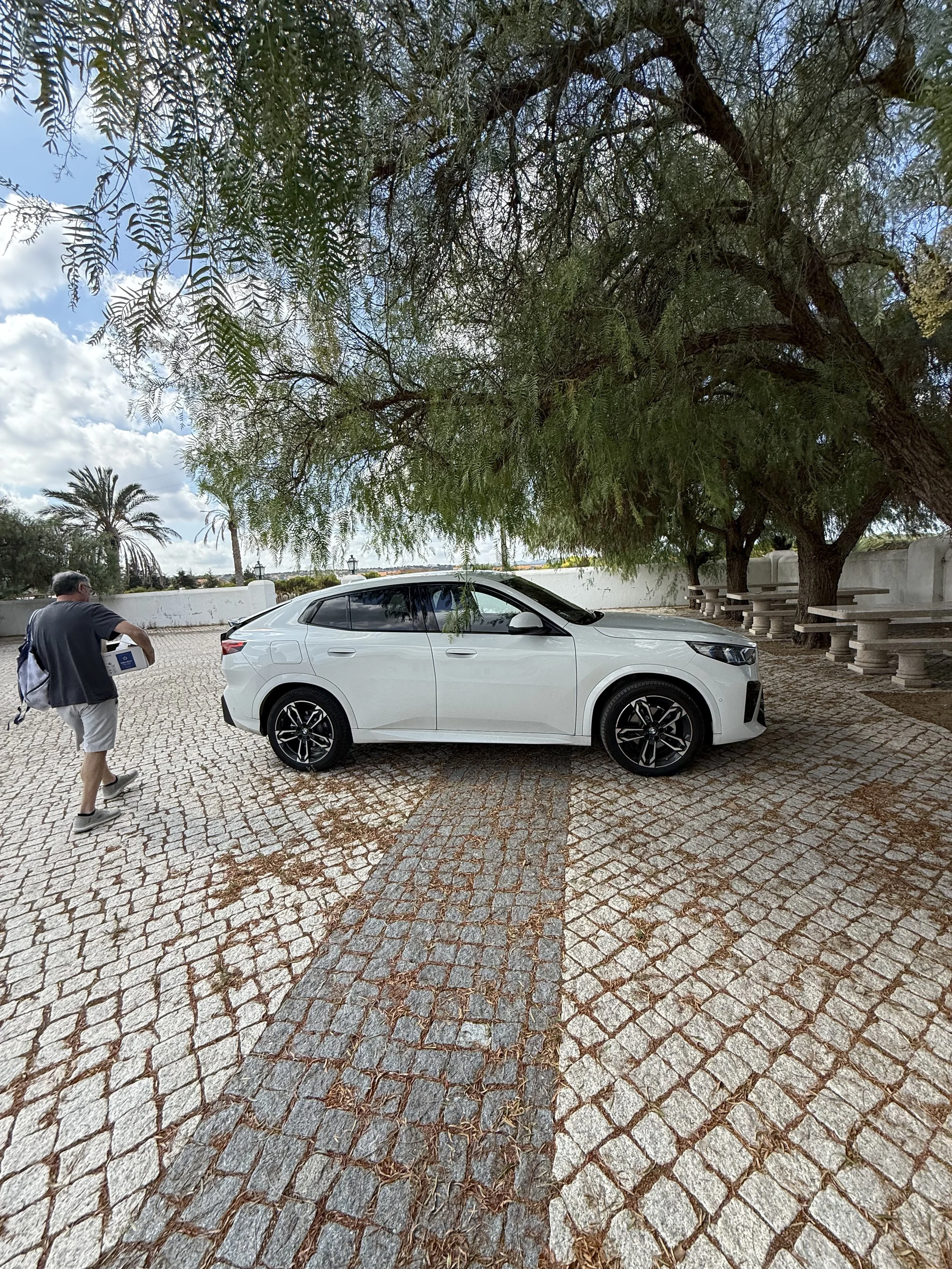
I'd also recommend choosing the smallest vehicle that comfortably accommodates your passengers and luggage. You'll appreciate that decision when you encounter some of Europe's narrow streets and parking garages.
3. European Parking Garages Are Not for the Faint of Heart
This was definitely one of my biggest takeaways!
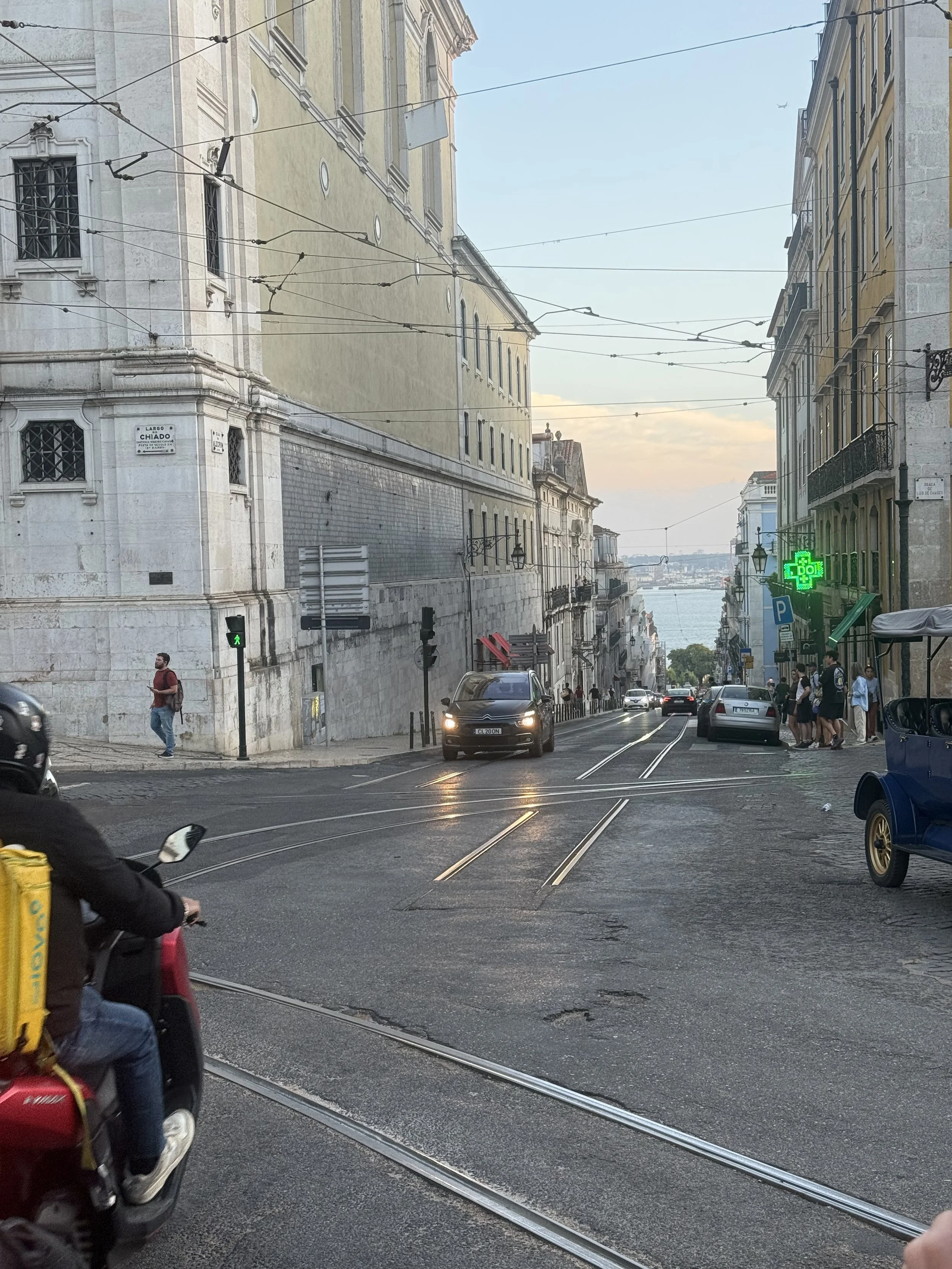
Many European cities were built centuries before cars existed, and it shows. Parking garages can have extremely narrow entrances, steep ramps, tight turns, and parking spaces that seem impossibly small.
I vividly remember gripping the dashboard while my husband navigated what felt like a series of hairpin turns in a parking garage in Lisbon. I'm pretty sure I was holding my breath through most of it!
Even with a smaller vehicle, navigating some of these garages can be an adventure. It's something to keep in mind when choosing your rental car, especially if you're planning to visit several historic cities.
4. Understand How Tolls Work in Each Country
This is especially important when driving between countries.
Spain and Portugal have different toll systems, and even within one country, not every toll road operates the same way.
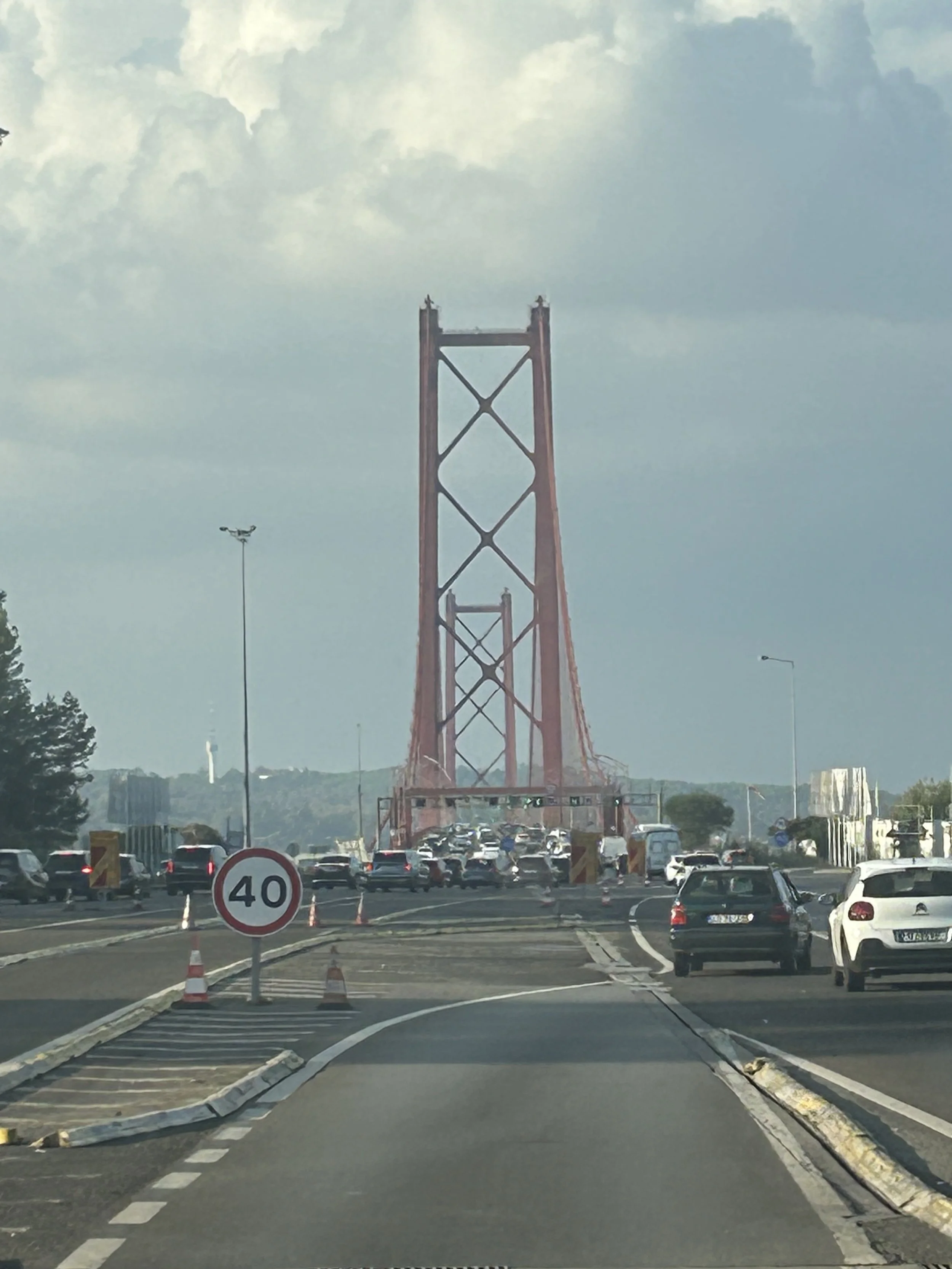
In Portugal, some highways use electronic tolling without traditional toll booths. Your rental car may need a transponder or another arrangement for paying those charges.
Before leaving the rental counter, ask how tolls are handled, whether the car has the necessary equipment, and what additional fees might apply.
It's much easier to sort this out before you're driving down the highway wondering how you're supposed to pay!
5. Tell the Rental Company If You're Crossing Borders
Just because you're renting a car in one European country doesn't automatically mean you can drive it into another without notifying the rental company.
We rented our car in Madrid and drove into Portugal before returning to Spain. That meant making sure cross-border travel was permitted and accounting for the applicable rental fee.
Some rental companies have restrictions on certain countries or vehicle categories.
If your itinerary includes multiple countries, confirm the rules and any additional charges before booking. It's also worth understanding your insurance coverage and roadside assistance.

6. Consider Parking Before You Book Your Hotel
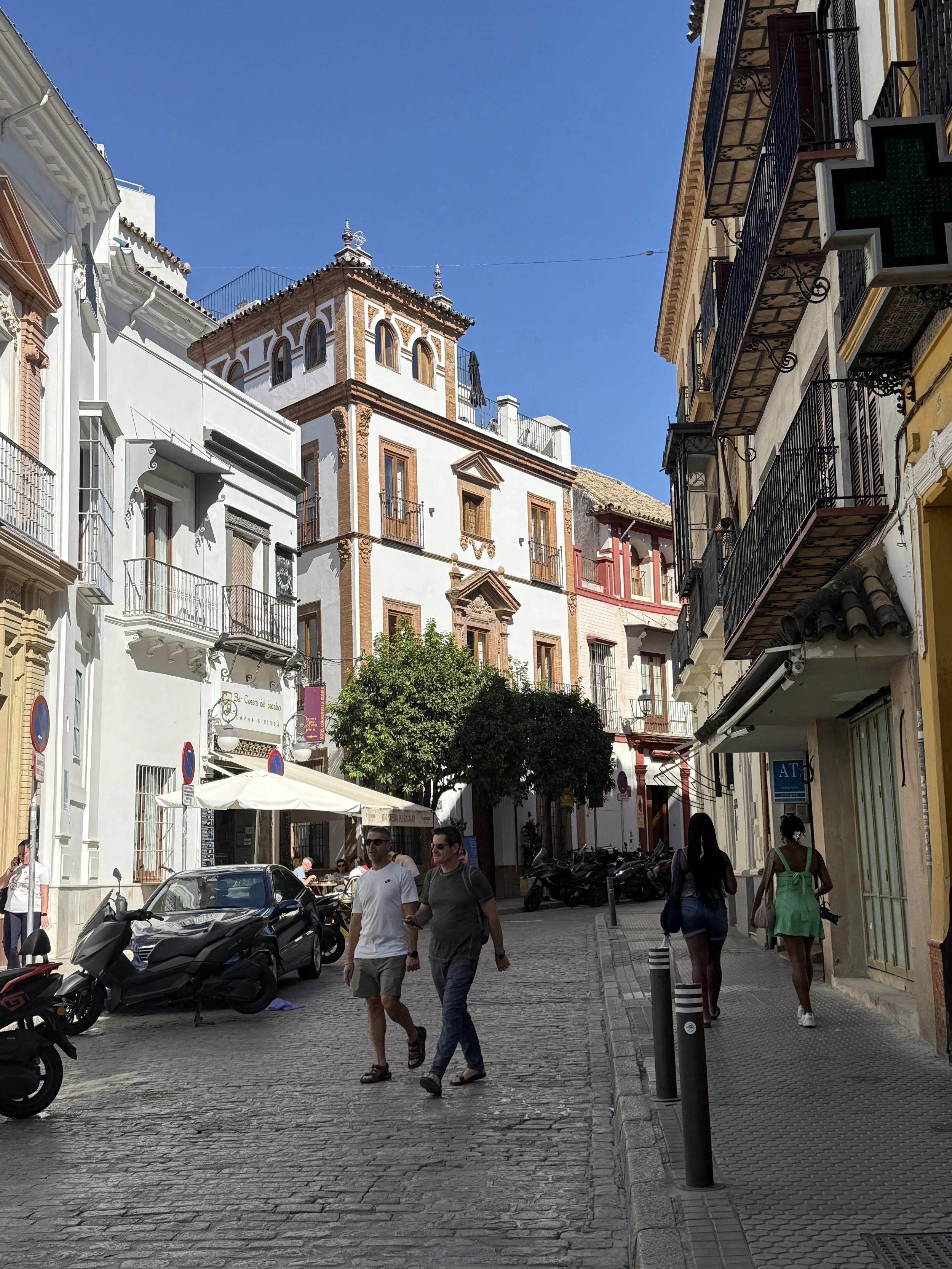
Historic European cities are wonderful to explore on foot, but they're not always easy to navigate by car.
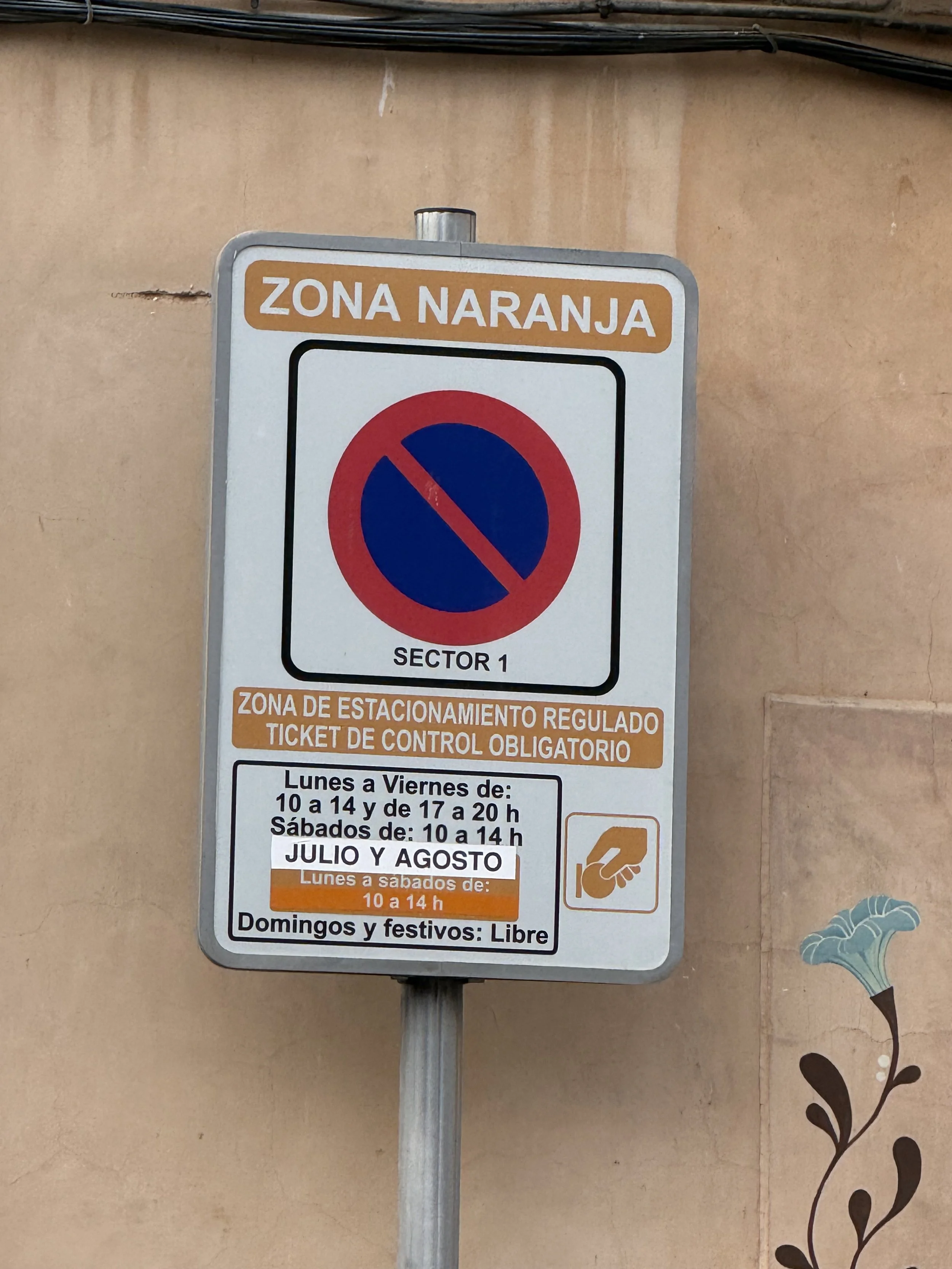
Old Town streets can be narrow, pedestrian-only, or restricted to authorized vehicles. And just because your hotel advertises parking doesn't necessarily mean there's a convenient parking space waiting for you.
We learned this the hard way in Toledo.
After driving around what felt like the entire town looking for parking, we were seriously considering giving up and leaving. Then, by what seemed like a miracle, a parking space opened up right in front of our hotel. I don't think I've ever been so relieved to find a parking spot!
Before booking a hotel, find out exactly what the parking arrangements are. Is there an on-site garage? Can you reserve a space? How far away is the nearest public parking facility? And can you actually drive to the hotel entrance to unload your luggage?
These may seem like small details when you're planning your trip, but believe me, they can make a big difference when you arrive.
7. Leave Time for the Unexpected. Sometimes Those Are the Best Moments.
One of my favorite things about a European road trip is the ability to make an unplanned stop along the way.
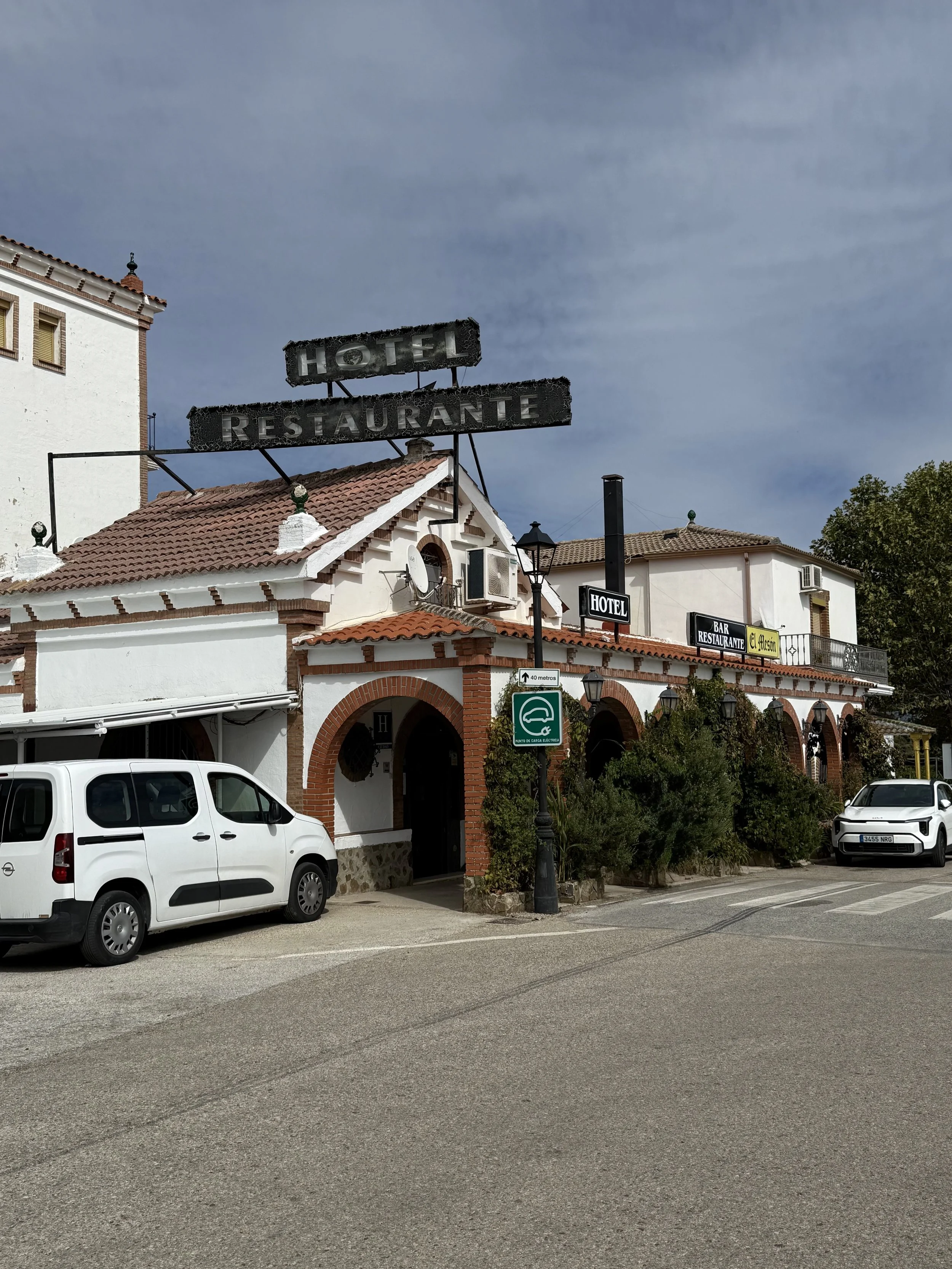
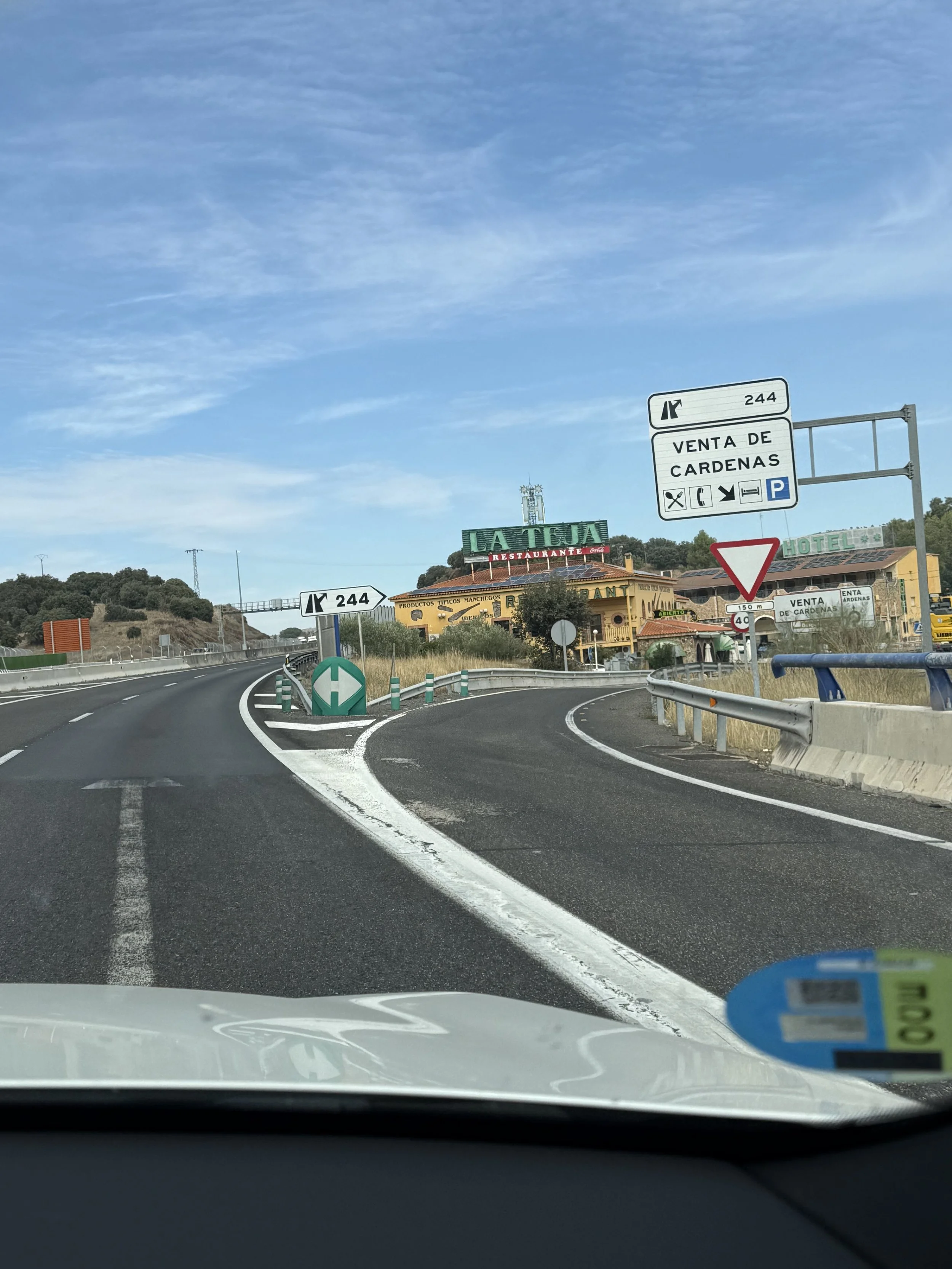
On our drive from Granada toward Consuegra, we stopped for lunch and stumbled upon the most amazing little restaurant. It felt like a place time had forgotten, tucked away from the usual tourist routes. It was one of those unexpected discoveries that reminded me why I love traveling this way.
We also stopped in Cáceres on our drive from Madrid to Portugal, turning what could have been an ordinary travel day into an opportunity to explore another beautiful historic town.
Don't plan your driving days down to the minute. Allow time for a leisurely lunch, an interesting village, or a scenic detour.
Some of our favorite memories from this trip came from places we hadn't originally planned to visit.
8. Have a Good Navigation Plan
Navigation apps are incredibly helpful when driving in Europe, but don't rely entirely on having a strong cell signal everywhere.
Download offline maps for the regions you'll be visiting, and check that your phone will connect properly to the rental car's navigation system.
Having your passenger help with directions is also a big advantage. Trying to interpret directions while negotiating a roundabout in an unfamiliar city isn't much fun!
One caution: Your GPS doesn't necessarily know about every pedestrian zone, restricted street, or hotel access rule. Always pay attention to posted signs, even when your navigation app tells you otherwise.
9. Learn a Few Local Driving Rules
Driving in Europe isn't necessarily difficult, but there are differences worth understanding before you get behind the wheel.
Roundabouts are common, speed limits are generally posted in kilometers per hour, and traffic cameras are widely used.
Rules for parking, entering restricted areas, and using certain roads can vary by country. Some cities also have low-emission zones or other restrictions that can affect where you're permitted to drive.
If you're visiting multiple countries, take a little time to familiarize yourself with the regulations in each one.
A little preparation can help avoid expensive surprises.
10. Just Because You Have a Car Doesn't Mean You Have to Use It Every Day
One of the advantages of having a rental car is being able to explore at your own pace. But sometimes, the smartest decision is to leave it parked.
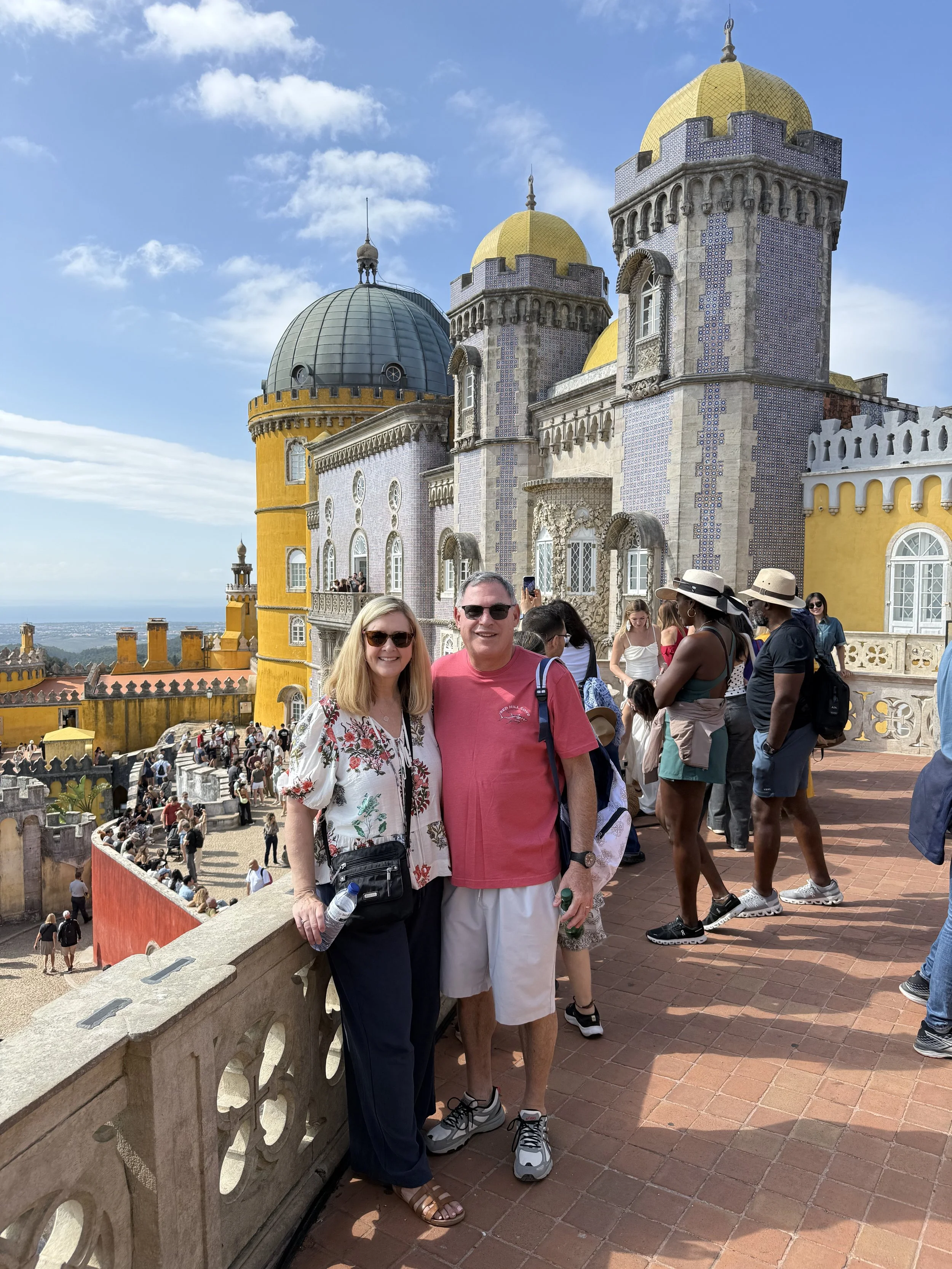
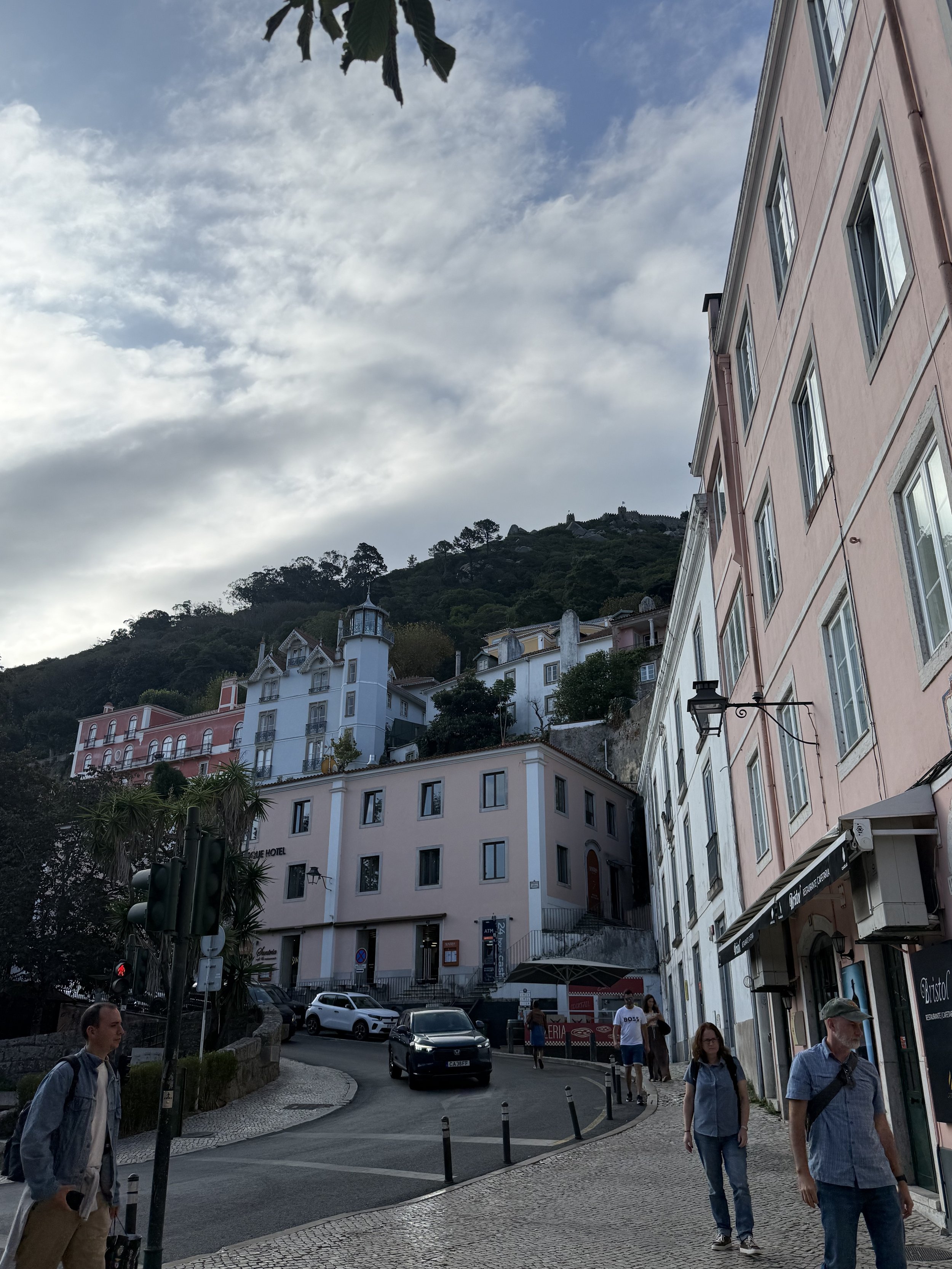
While staying in Cascais, we could easily have driven ourselves to Sintra. Instead, we opted for a private guided tour, and I'm so glad we did.
We didn't have to worry about navigating unfamiliar roads, finding parking near the popular attractions, or figuring out how to get from one site to another. Even better, we had a knowledgeable guide who shared the history and stories behind the places we visited.
It made the entire day more enjoyable.
We took a similar approach in cities like Seville, Granada, and Toledo, where exploring on foot was much more enjoyable than navigating narrow historic streets.
Having a car doesn't mean you need to use it for every excursion. Sometimes a private tour or local guide is worth the investment, particularly in places where parking is difficult or there's a lot to see.
So, Would I Recommend a European Road Trip?
Absolutely. I think it's one of the most rewarding ways to experience certain parts of Europe.
Having a car allowed us to explore smaller towns, enjoy scenic drives, and visit places that would have been more complicated to reach by train.
But I also came away with an even greater appreciation for the importance of planning the logistics. Parking, hotel locations, driving distances, tolls, and local regulations all deserve some attention.
And perhaps the biggest lesson? Don't get so caught up in getting from one destination to the next that you miss the experiences along the way.
As a travel advisor, I enjoy helping clients create trips that combine the flexibility of independent travel with the benefit of having the important details worked out in advance. Experiencing this road trip firsthand gave me even more insight into the little things that can make a big difference.
Despite a few tense moments in parking garages and our near-departure from Toledo, I'd happily do it all again.
Thinking about your own European road trip? I'd love to help you plan an itinerary that includes the places you've always wanted to visit, along with a few memorable stops you might not have considered.